Home › Guides › Mortar, jointing compound or resin: what should I use to repoint a patio?
Mortar, jointing compound or resin: what should I use to repoint a patio?
Short answer: There is no single best patio joint filler. Sand and cement mortar is cheap and traditional, brush-in polymeric compounds are quick and permeable, epoxy resin slurry is strongest but costly, and cementitious jointing grout is rigid and fast setting. The right choice depends on your paving, how much movement and traffic it gets, and how you will clean it.
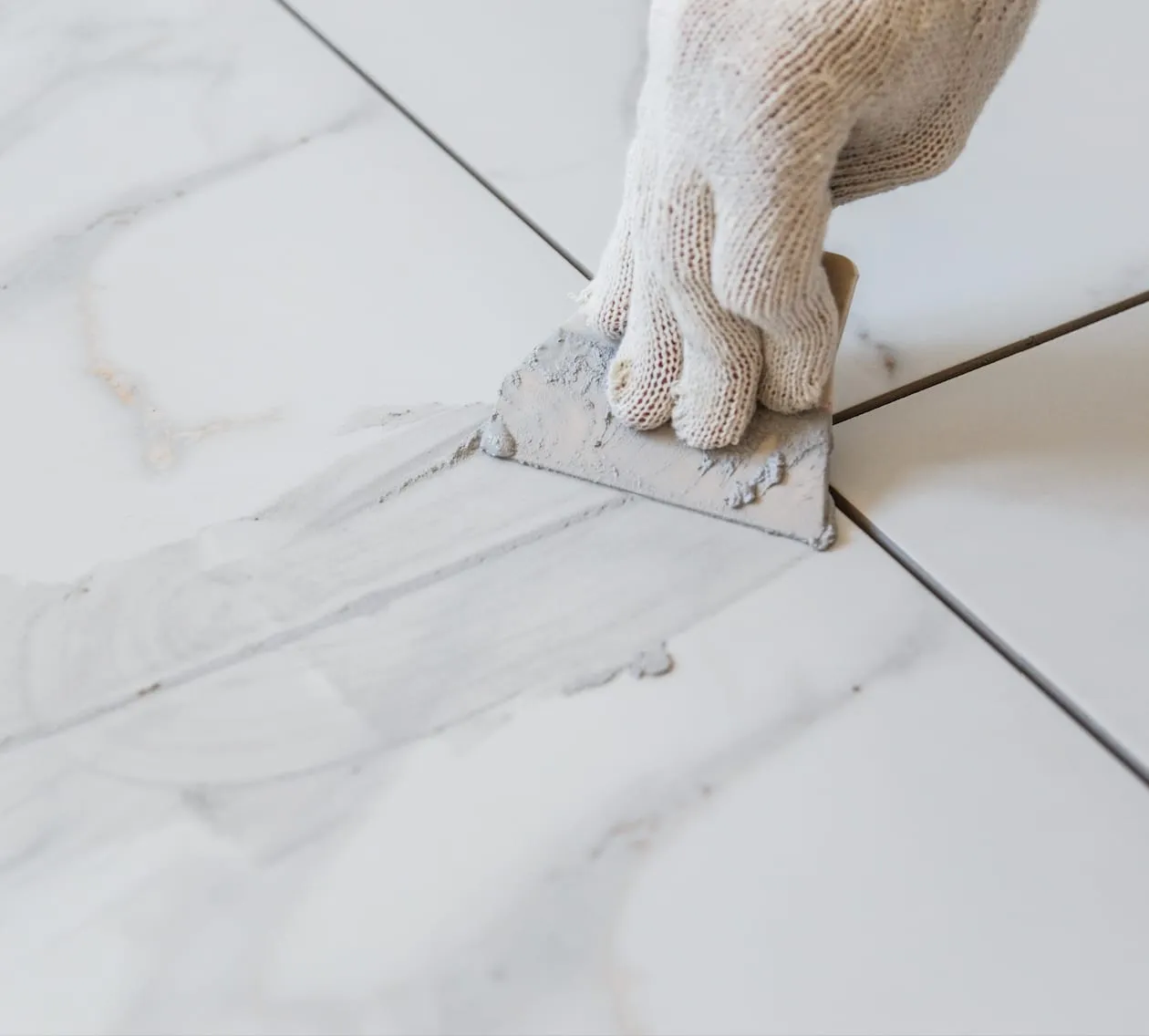
How to choose a patio joint filler
- Identify your paving. Porous natural stone, porcelain and concrete flags have different needs. Some products exclude certain stones, and porcelain often has its own recommended compound.
- Decide how you will clean it. If you plan to pressure wash, check the product. Epoxy and slurry grouts cope best, while polymerics are only suitable for gentle washing and not for the first two weeks.
- Check the joint width and depth. Products specify minimum widths and depths, from about 3 mm to 20 mm wide and from 20 to 30 mm deep. Wide joints and narrow joints need different products.
- Check the weather. Each product has a temperature window and rain limits, so match the product to the season.
- Test first. Try a hidden corner, especially on porous stone, because joint fillers can stain natural stone.
The main options compared
This table summarises technical guidance from paving manufacturers and the Paving Expert site. Always check the current datasheet for the product you choose, because products and instructions change.
| Type | Pros | Cons |
|---|---|---|
| Sand and cement mortar | Cheapest, rigid, traditional look | Needs skill, can stain porous stone, cracks if slabs move, mix varies |
| Brush-in polymeric compound | Quick, no mixing, permeable, tolerant of weather | Lower strength than epoxy, slow to cure in wet weather, gentle washing only |
| Epoxy or resin slurry grout | Strongest, best against pressure washing | Expensive, messy, hard to remove, needs a careful application |
| Cementitious jointing grout | Rigid, strong bond, sets in minutes | Needs skill, temperature window, no rain for several hours |
Mix ratios for sand and cement
Sources differ. Paving Expert suggests a 4 parts soft sand to 1 part cement mix for general paving, and 3 to 1 for stone paving and higher traffic. Retail guides sometimes give other ratios. Treat any ratio as a starting point and test it.
Do polymeric and resin joints stop weeds and ants?
Makers claim weed resistance for some polymeric products, but independent guidance rates it as modest compared with mortar. A well-filled, hard joint leaves less loose material for roots and ants. Nothing makes joints weed-proof, so see our guide on weeds and ants in patio joints.
How long do joint fillers last?
We found no independent lifespan data for any of these products. Marshalls offers a 2-year guarantee on its jointing compounds only when installed by a registered installer or under its guarantee scheme, and states that no outdoor product is maintenance free.
Frequently asked questions
What is the strongest patio jointing material?
Epoxy or resin slurry grouts are generally the strongest and cope best with pressure washing, but they cost more and are harder to apply and remove.
Is polymeric sand good for patios?
It can be, for narrow joints and quick DIY results, but it is lower strength than mortar or resin and is not suited to regular power washing. Read the product instructions.
Can I use sand and cement mortar on Indian sandstone?
Yes, but it can stain porous stone, so keep the stone damp while working, wash residue off promptly and test a hidden area first.
Which jointing product do you use?
That depends on your paving and the job, and we choose it to suit the surface. Ask when you request a quote.
Sources and further reading
- Paving Expert: pointing and jointing for paving
- Paving Expert: resin slurry jointing grouts
- Paving Expert: polymer sands and modified mortars
- Marshalls: Weatherpoint 365 installation guide
- Marshalls: Exterior Jointing Grout installation guide
Related guides
- How do you repoint a patio?
- How do I stop weeds and ants coming up between my patio slabs?
- How much does patio repointing cost in the UK?
General guidance only. Always test on a hidden area first and follow product instructions. Last updated 25 November 2026.
Request a quote
Tell us about the patio, wall, drive or floor and we will arrange a meeting. Or call 07907 716 893.